
'Flying Stingray' Developed by the Turks Will Take Off in 2023
The team, formed by the coming together of Turkish engineers, uses hydrogen fuel cells and plasma fluid control for passenger and cargo transportation.

The team, formed by the coming together of Turkish engineers, uses hydrogen fuel cells and plasma fluid control for passenger and cargo transportation.
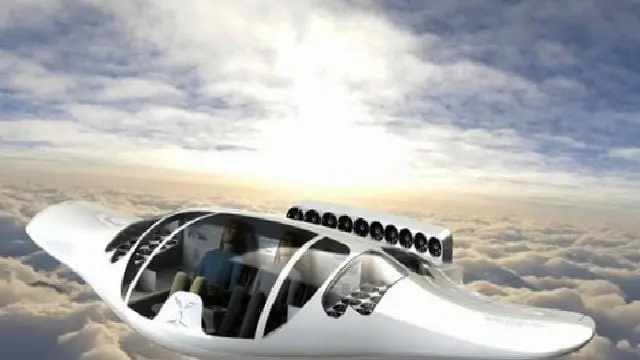
The team, formed by the coming together of Turkish engineers, has developed a futuristic electric vertical landing and take-off (eVTOL) vehicle that uses hydrogen fuel cells and plasma fluid control for passenger and cargo transportation. stingray-like developed flying wings.
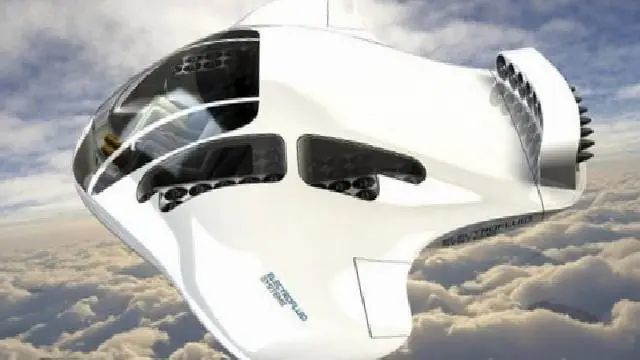
Founded by Berkant Göksel, based in Berlin electrofluidsystems It plans to introduce UAV systems capable of reconnaissance and small package delivery to the market by the end of 2021.
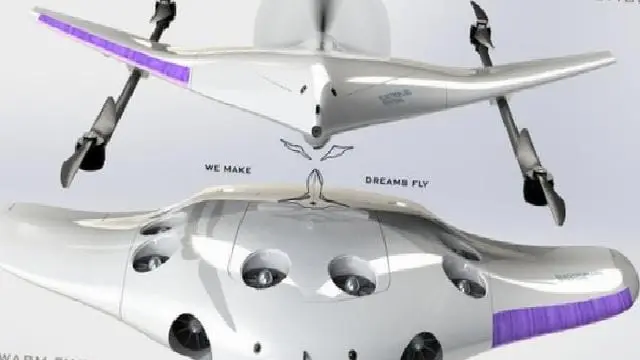
One of these mini UAVs PlasmaFalcon 1.11 (Plasma Şahin) has a maximum take-off weight of 6 – 11 kilograms, a payload capacity of 2 – 4 kilograms, and has vertical take-off and landing features with a wingspan of 1.11 meters.
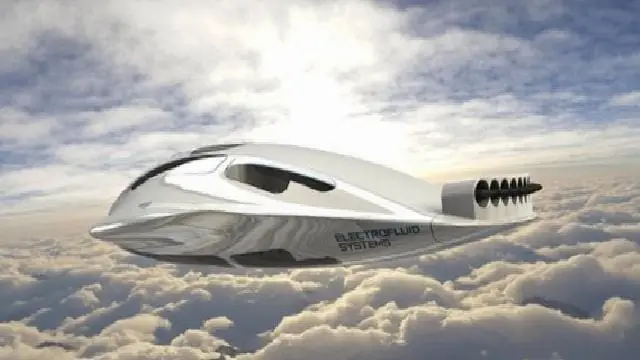
The other model that is more exotic LH2 PlasmaRay 1.11 (Plasma Stingray) is offered in two versions: The first one is lithium polymer battery powered, has a maximum take-off weight of 11 - 18 kilograms and a payload capacity of 4 - 8 kilograms. The second model provides 325 Watt hours (Wh/kg) of energy per kilogram using liquid hydrogen (LH2) fuel.
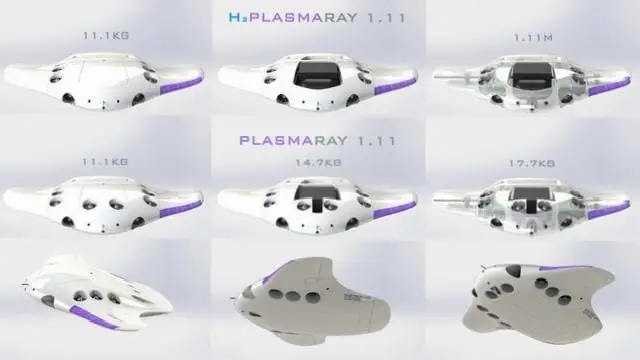
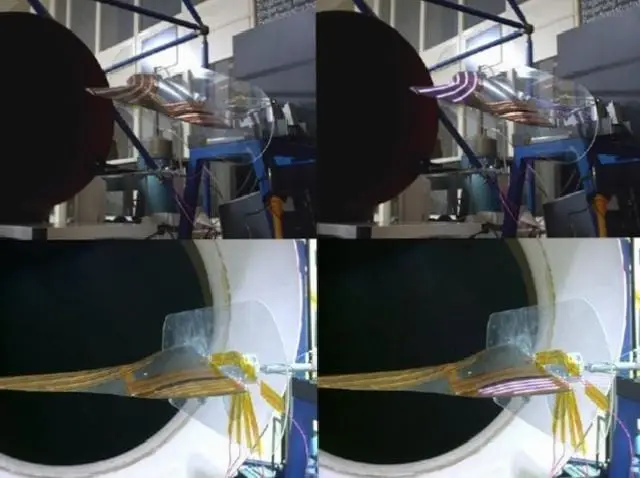
The vehicle has different high voltage generators to ionize the air on the wing surface and accelerate. Thanks to the accelerated air, positive thrust is generated, friction decreases and the aircraft can be steered without using mechanical rudders. In addition, the ionized air (plasma) flow increases the wing lift force and it is stated that the flow stops, that is, it prevents the plane from losing speed and falling.
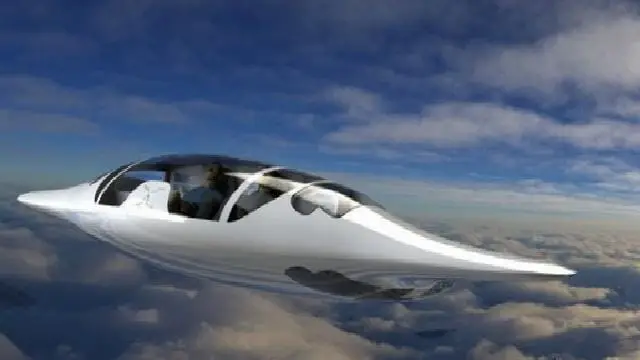
company founder Berkant GökselAccording to the information provided by Electrofluidsystems, between 2022 and 2025, it will develop a two-person vertical take-off and landing air taxi, which is currently in the concept phase. It is stated that, thanks to the plasma technology to be applied in wing and engine fans, larger models will have the ability to reach very high stratospheric altitudes close to space, such as 30 kilometers, in the future.
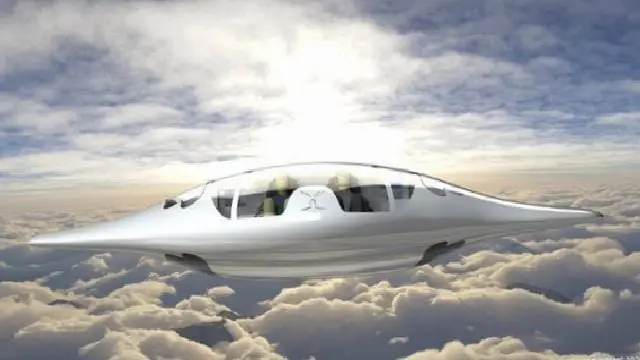
H2PlasmaRay 6.66 The named vehicle will have a wingspan of 6.66 meters with a maximum take-off weight of 900 kilograms and a payload capacity of 250 - 300 kilograms. It is stated that the range of the vehicle, which can reach a speed of 250 - 300 kilometers per hour, will be 250 - 300 kilometers with hydrogen gas and 1000 - 1300 kilometers with liquid hydrogen tank.
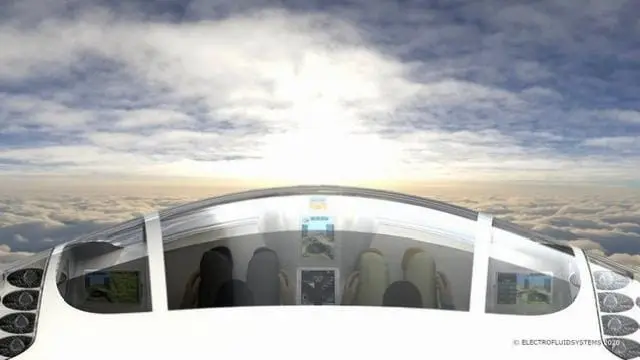
In case of engine failure, the vehicle can also glide and take off and land on a highway or flat land with its retractable wheeled landing gear. In addition, in the worst case scenario, it can lower passengers in a protective manner with a ballistic triple parachute.
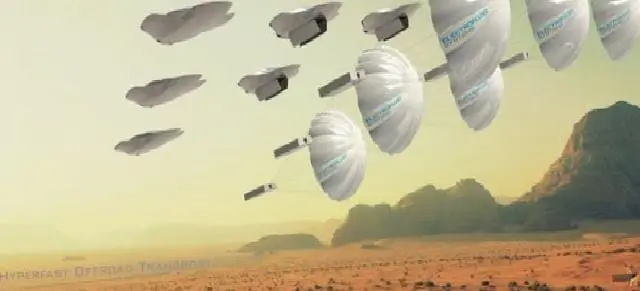
The company is developing a formation flock autopilot inspired by birds. With a half diamond or full diamond flight formation consisting of 6 to 13 vehicles, the range can be further increased by reducing total drag by 45 percent - 65 percent.
Göksel says that they will use multiple camera and radar systems along with Nvidia artificial intelligence computers to control the herds.
Electrofluidsystems is also working on an 8.8-meter concept with a maximum takeoff weight of 1850 kilograms for five people. The vehicle is designed to compete with the Joby S4 and LiliumJet air taxi systems, and it is thought that there will also be a UAV version that can carry 600 kilograms of cargo. Heavenly, “The systems with a wingspan of 11.1 to 19.9 meters, developed for 2030, will be used as near-space tourism vehicles that can reach stratospheric altitudes.” he says.
Vertical Landing and Take-off H2PlasmaRail 6.66 / 250 Technical Specifications
▪ Passenger/Pilot: 2
▪ Length: 4.67 m
▪ Wingspan: 6.66 m
▪ Cruising Speed: 250 – 291 km/h (135 – 157 knots)
▪ Maximum Cruising Speed: 270 – 314 km/h (146 – 170 knots)
▪ Maximum Range: 250 km (H2) / 1000 km (LH2)
▪ Flight Duration: 1 hour (H2) / 4 hours (LH2)
▪ Flight Altitude: 0 – 3 km (10000 feet)
▪ Maximum Takeoff Weight: 900 kg
▪ Curb Weight: 346 kg
▪ LiPo-Battery Weight: 137 kg
▪ Hydrogen Fuel Cell System Weight: 167 kg
▪ Passenger Weight: 250 kg
▪ Engine: 19+19+10 Schübeler DS-215-DIA HAST (195 mm)
▪ Maximum G Limit: +6
▪ First Flight: 2023
▪ Manufacturer: Electrofluidsystems
For all the details of the news prepared by Habertürk from here you can reach.
Every business is unique. Let’s explore how we can tailor these ideas to your own digital project.


