
From an idea to the first product: starting from the right place.
Focusing on the right problem rather than more features when determining the scope of the MVP.
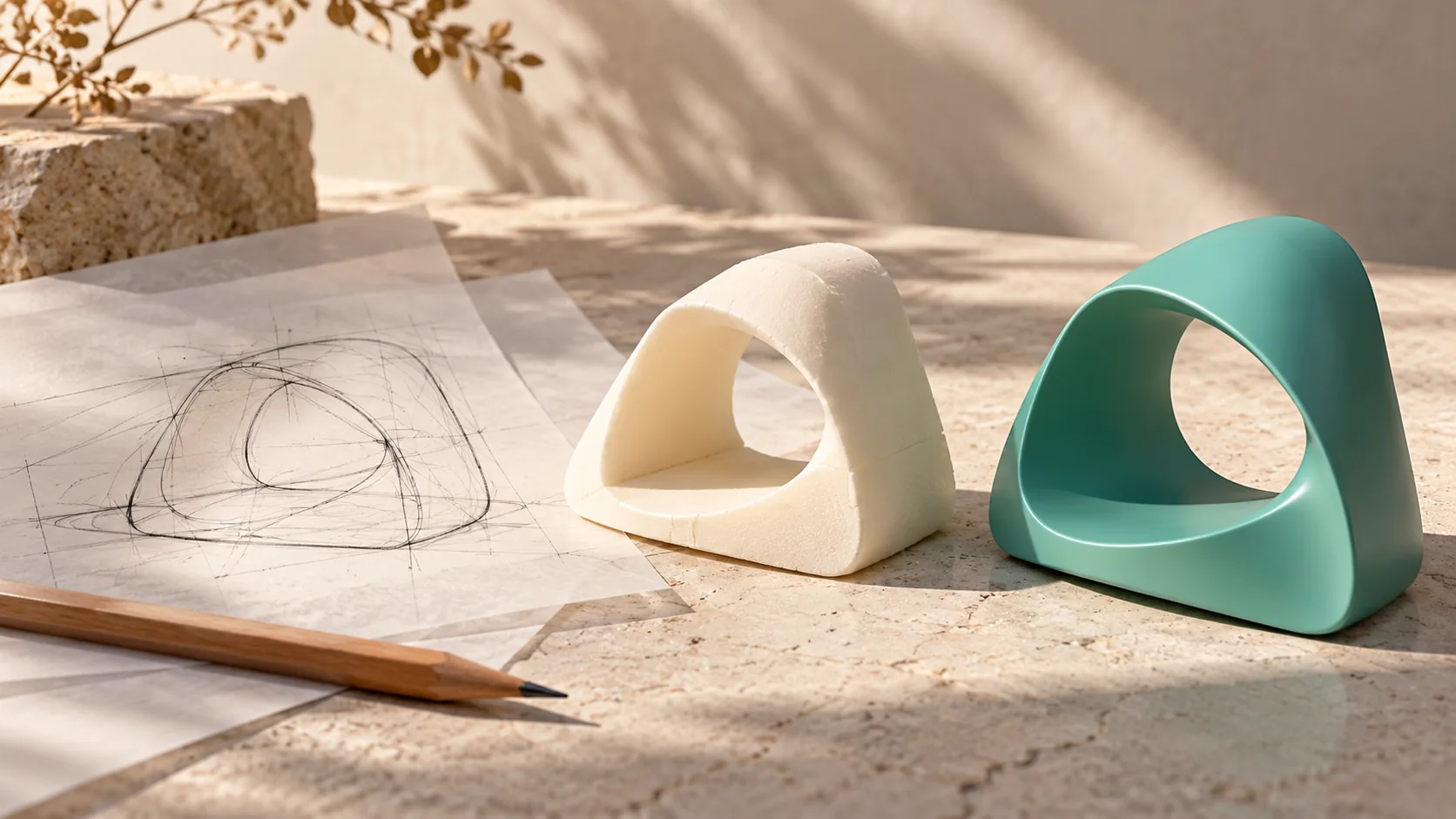
Focusing on the right problem rather than more features when determining the scope of the MVP.
Focusing on the right problem rather than more features when determining the scope of the MVP.
Find the problem worth solving first
The starting point for a digital product is not a list of features, but a need that the user encounters again and again. In first meetings, try to understand how people do their jobs today rather than what they want. Available alternatives and workarounds make the gravity of the problem visible.
Border the first version
An MVP doesn't have to be a small copy of the entire product. Choose the shortest user journey that will test your key assumption. For example, in a booking product, first search, available time and resolve reservation confirmation; It may make sense to leave the loyalty system for later.
Define success in advance
Determine what you will learn before going on air. Can users complete the main quest? Which step do they have difficulty with? Interviews and task completion observations may be more useful than mere visitor counts at an early stage.
Turn development into a learning cycle
Release small, reversible versions. Consider feedback, technical debt, and user need together. A solid product roadmap is flexible enough to accommodate changing information.
Every business is unique. Let’s explore how we can tailor these ideas to your own digital project.